

Wood Types & Local Materials
Wood is more than just a material;
each species tells its own story through its grain, color, and density. In my workshop, I primarily use local woods from neighboring gardens – from the characterful apple tree to the elegant walnut. Discover the unique properties of the woods that give my handcrafted pieces their soul.
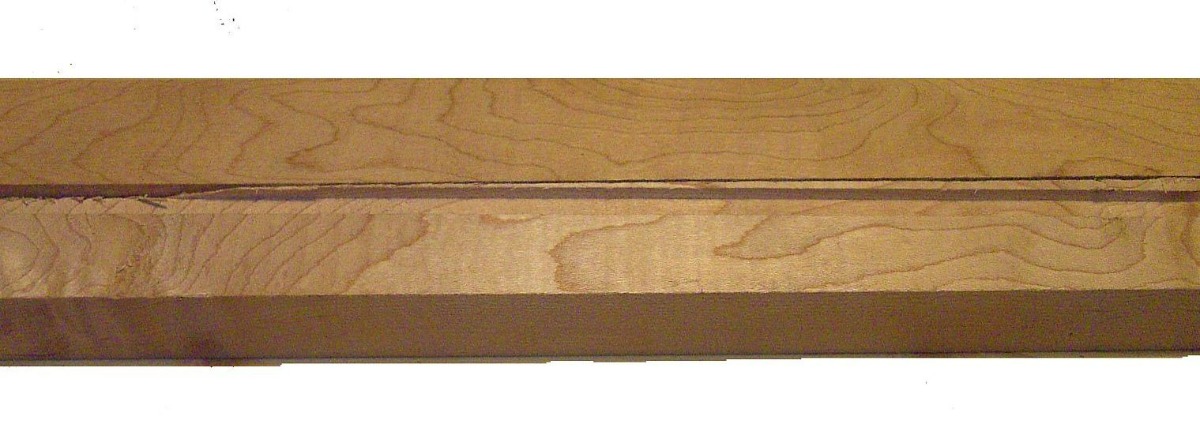
There are many different types of Maple (Acer).
The wood has a fine grain and a very uniform structure. Its color ranges from almost white to a very light brown.
The hardness of the wood varies greatly between the different types. In America, there is even a classification system that distinguishes between “soft maple” and “hard maple” (hard maple).
In Europe, sycamore maple (Acer pseudoplatanus) is mostly used. Its wood is dense and hard and can be worked very well. It is easy to carve and the surfaces can be smoothed to perfection. Sycamore maple is also very popular in musical instrument making because it has very good sound properties.
There are also Norway maple and field maple in Europe. Their wood is usually brownish with a grayish tinge, sometimes even said to have a slight pink color. It is not as decorative as the more commonly used lighter sycamore maple. The two are also much harder.
Sometimes people refer to “Canadian maple.” This usually means sugar maple (Acer saccharum).
Sugar maple grows in North America and Canada. Its wood is dense and hard and belongs to the hard maple category, in this particular case also sugar maple.
The late wood is reddish in color. The core is brown with a greenish tinge in places. The grain is straight and the wood has a simple structure; it is dense and fine-pored.
- Details
-
Also available:

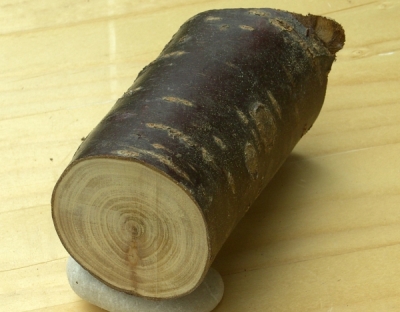
The wood of the Mirabelle (Prunus domestica subsp. syriaca), also known as the yellow plum, is a subspecies of the common plum (Prunus domestica). It is an aesthetically outstanding precious wood, typically featuring very fine, closely spaced annual rings, which indicates slow growth.
The sapwood is relatively light and narrow, while the heartwood takes on a significantly darker, often reddish-violet to brown coloration. However, the demarcation between sapwood and heartwood in the mirabelle is not always as sharply defined as in the common plum.
In its mechanical properties, the wood is very similar to that of the plum: it is **hard, very dense, and heavy**. This density allows for an excellent surface finish but requires sharp tools for processing. Due to the fine fiber structure, even the smallest details can be precisely crafted without the wood tearing out.
- Details
-
Also available:
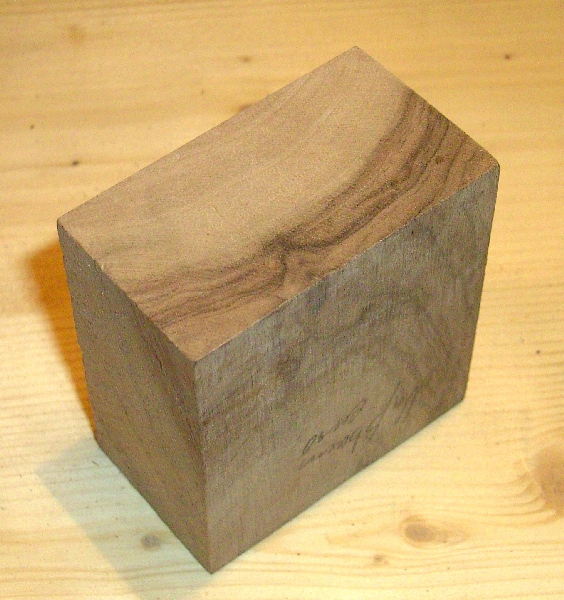
The English Walnut (Juglans regia), from the walnut family (Juglandaceae), is a classic heartwood tree. Its timber is considered one of the most valuable native precious woods.
Sapwood and heartwood differ significantly: the narrow sapwood is light-colored, ranging from grey-white to reddish-white. The coloration of the heartwood varies greatly depending on location and age—the spectrum ranges from matte grey and light brown to a deep dark brown, often permeated with dark streaks. The prominent annual rings give the wood a vivid, decorative figure.
Particularly sought after are the **Burl Clusters (Maserknollen)**: these develop in the root-stock transition zone through tuber-like thickenings and provide extremely wild-grained wood for exclusive veneers and woodturning projects.
- Details
-
Also available:
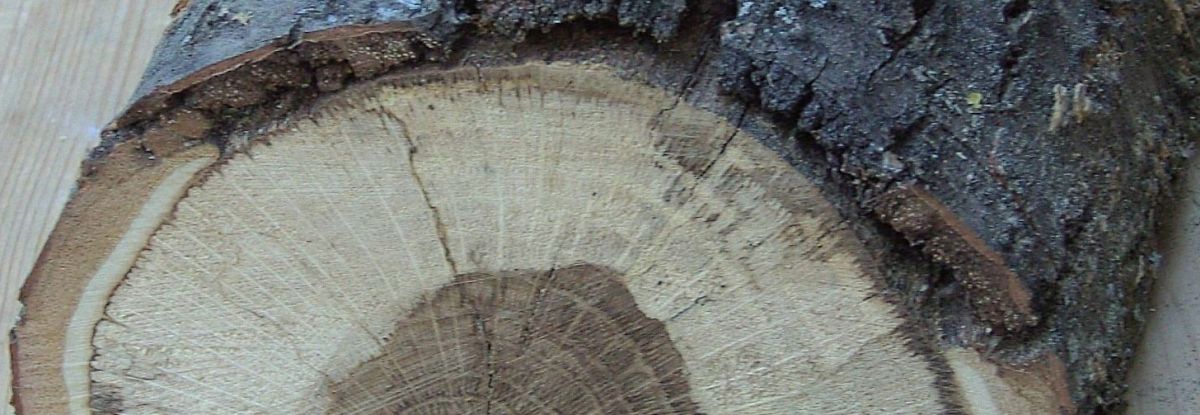
If we talk about oak we usually talking about ethe English oak (Quercus robur) and the sessile oak (Quercus petraea). The properties of the two timbers are nearly identical, so we generally only speaks of oak.
The difference between heartwood and sapwood is clear. The sapwood appears off-white od and the heartwood is yellow-brown to medium brown. The wood will darken considerably. The heartwood contains a lot of tannic acid.
The wood is medium to high and harmonized and has excellent strength and elasticity properties and high wear resistance. It is densely fibred and moderately tight. It is easy to divide and easy to work well, but it tends a little to the formation of cracks.
The wood should be dried slowly, otherwise it tends to crack and discards. It shrinks moderately and often it gets a darker color on drying.
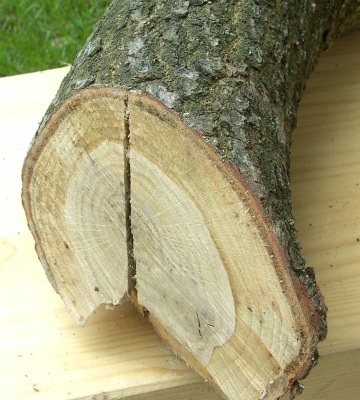
When oiling it must be noted that the sapwood is to osak well and the heartwood is very difficult. Heartwood is submerged almost indefinitely. Sapwood, however, is more susceptible to weathering.
- Details
-
Also available:
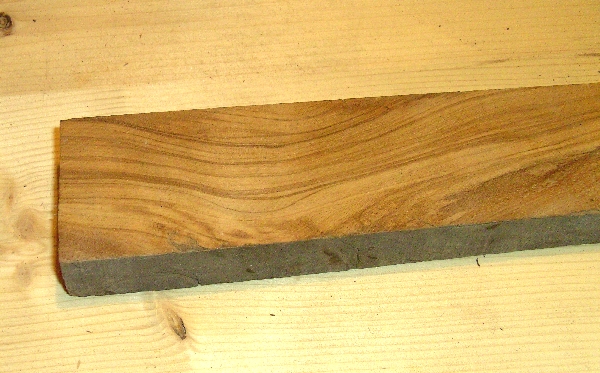
The Olive (Olea europaea) is a characteristic evergreen tree of the Mediterranean region and is among the oldest cultivated plants in human history. Some specimens reach ages of several hundred, and in exceptional cases, over a thousand years.
The tree grows extremely slowly, reaching heights of approximately 10 to 20 meters. Olive wood is exceptionally **dense, hard, and durable**. Especially in old, gnarled trees, the wood exhibits a spectacular grain, often characterized by interlocked grain. The texture is very fine and uniform, with a color spectrum ranging from pale yellow to deep dark brown, often permeated by dark, cloud-like patterns.
- Details
-
Also available:
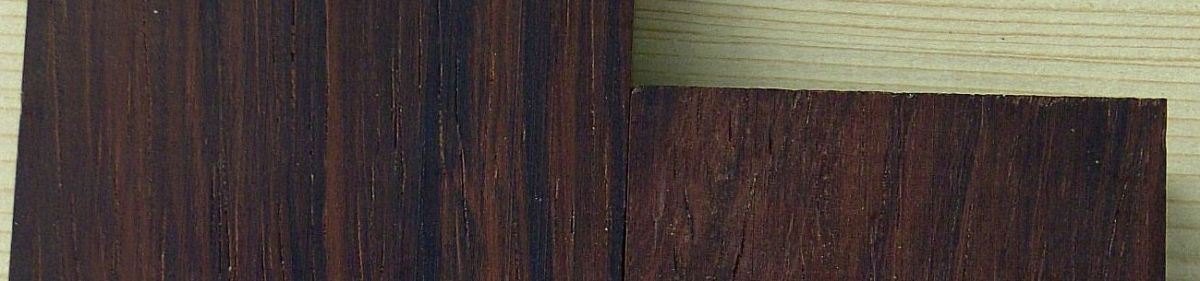
Padauk (Pterocarpus) is a genus of deciduous trees native to the tropics of South and Southeast Asia as well as Africa. Various species are traded under this name, the most significant being:
- Manila Padauk (Pterocarpus indicus) – Southeast Asia
- Burma Padauk (Pterocarpus macrocarpus) – Southeast Asia
- African Padauk / Muninga (Pterocarpus angolensis) – Central and East Africa
- African Padauk / African Coralwood (Pterocarpus soyauxii) – West and Central Africa
The wood is famous for its vibrant heartwood, which varies from brilliant coral red to deep violet-brown. It possesses high natural durability and is **resistant to fungal and insect attacks**. Once seasoned, it exhibits **excellent dimensional stability** and undergoes minimal warping.
- Details
-
Also available:
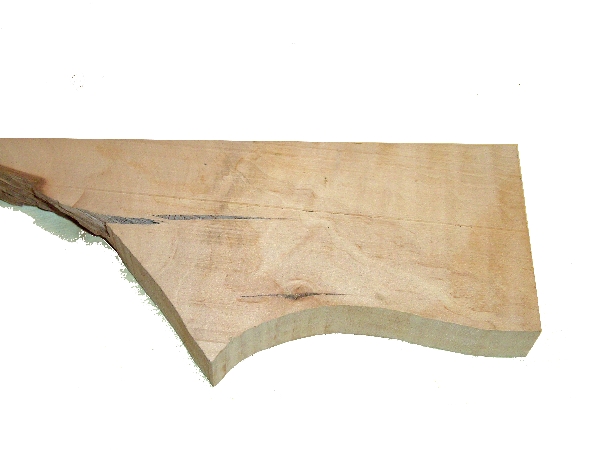
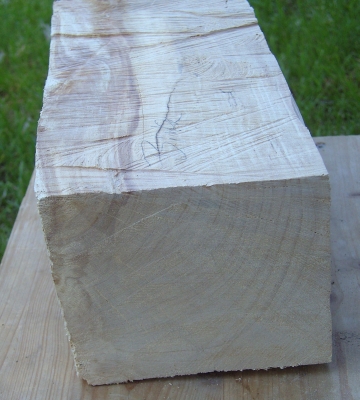
The wood of the birch (betula) is mainly sapwood, the heartwood is more dark, not very often violet. The wood is hard, heavy and elastic.
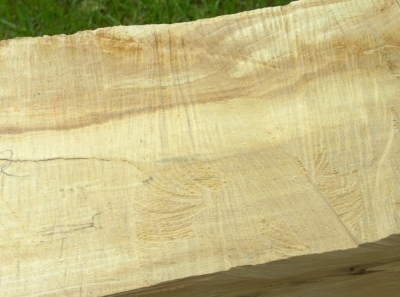 Overall, it is a brightly colored, rather simple wood. The annual rings are separated by narrow strips of latewood. Depending on the fiber orientation very beautiful patterns could emerge.
The wood is easy to carve and to work well. It can also be polished very well and is also very popular with woodturners.
- Details
-
Also available:
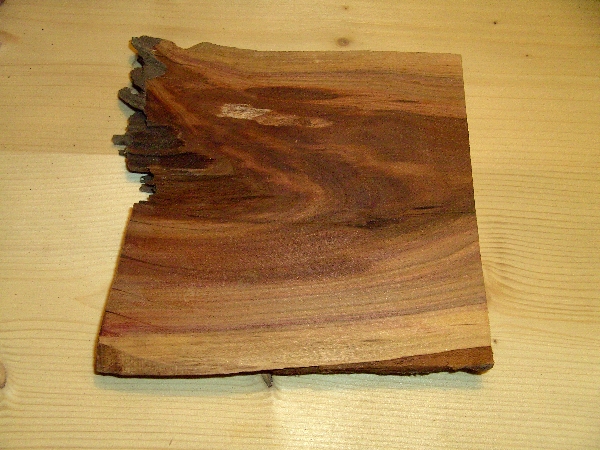
The wood of the Plum (Prunus domestica), often referred to as Plumwood or Damson, is an extremely heavy, hard, and dense precious wood. It is characterized by a fine structure that allows for very clean carving; however, due to its significant hardness, it requires precise tool handling and exceptionally sharp chisels.
Seasoning plum wood is considered notoriously difficult and "stubborn." Due to frequent **spiral grain** and a high shrinkage rate, the wood is extremely prone to **cracking and warping**. It necessitates a very slow, controlled drying process over several years to obtain usable dimensions.
- Details
-
Also available:
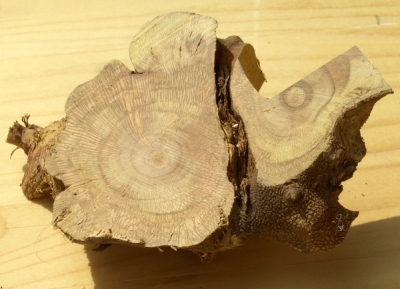
In the timber trade, the term "Rosewood" typically refers to the wood of the Tulip tree (Dalbergia decipularis) or other rosewood species. In contrast, the objects described here are crafted exclusively from the genuine wood of the Rose (genus Rosa), derived from the massive, woody root burls of old rose bushes.
Harvesting this wood is extremely laborious, as only very old plants develop sufficiently dimensioned rootstocks. Compared to tropical hardwoods, the wood of the genuine rose is **relatively soft**, but it captivates with an exceptionally vivid and often flecked grain pattern that rivals the complexity of burl woods.
- Details
-
Also available: