


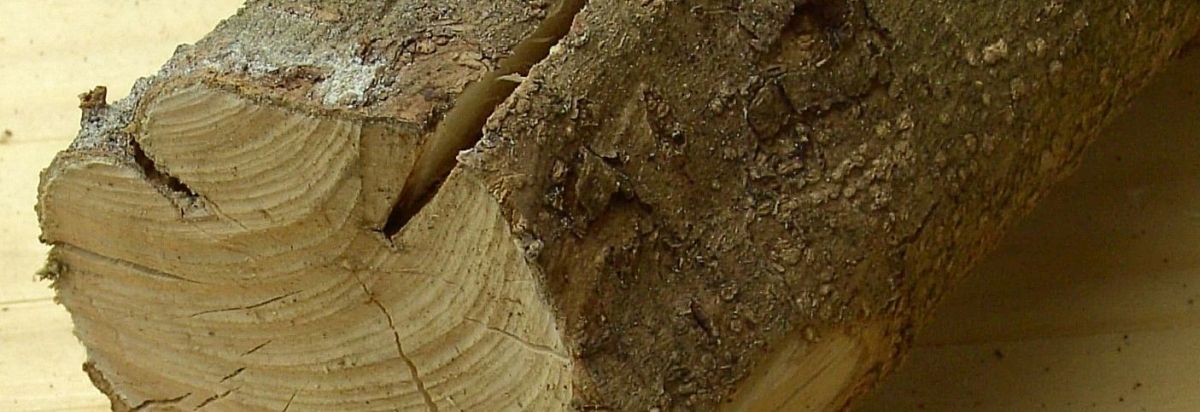
A distinction is primarily made between the Common Hawthorn (Crataegus monogyna) and the Midland Hawthorn (Crataegus laevigata). Since the timbers of both species are virtually indistinguishable in their technological properties, they are treated as one in the timber trade and woodworking crafts.
Hawthorn provides an exceptionally **hard, tough, and elastic** wood featuring prominent medullary spots. Due to its often irregular growth and small trunk diameters, it is rarely used in industrial applications today. However, it remains highly valued in traditional **archery** and for premium tool handles.
Historical Seasoning: A traditional method to enhance wood quality involved harvesting in autumn and storing the timber in hay throughout the winter. This slow process altered the wood's consistency, making it particularly supple for subsequent fine carving and machining.
Physical Properties: The wood is extremely fine-pored, smooth, and possesses good natural weather resistance. However, it is remarkably difficult to split. A critical factor is its **high shrinkage rate**: to prevent radial cracking, the wood must be seasoned extremely slowly, and sealing the end-grain surfaces is mandatory.
Surface and Aesthetics: If left untreated, the fine-pored surface is prone to soiling, making prompt sealing advisable. An excellent finish is achieved by saturating the wood with **linseed oil**; this process allows the wood to develop a deep, warm color palette ranging from bright yellow to dark honey tones.