
Meaning & Symbolism of Wood Art
Symbols are signs that reach beyond the visible. Whether it is the classic cross, the protective fish, or modern interpretations of spiritual motifs – each piece is hand-carved from solid wood. These symbols are more than just decoration; they are companions for life's special moments.
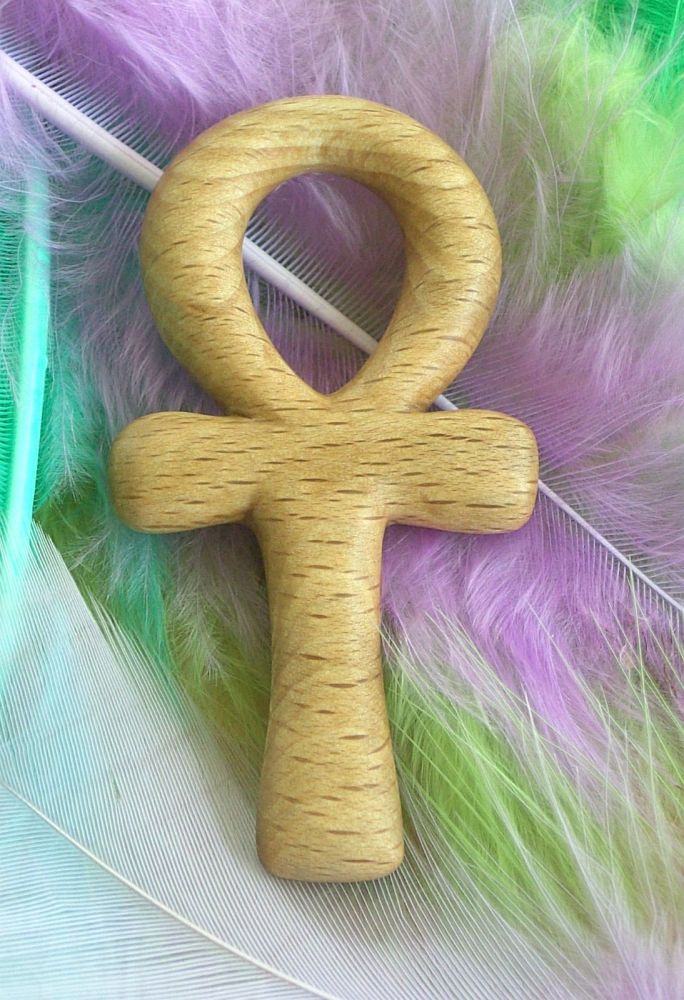
In Egyptian hieroglyphs, the Ankh (anch) is the character for 'life.' In Egyptian mythology, it is a symbol of eternal life (and thus immortality) and the universe.
The Ankh is arguably one of the most significant symbols of ancient Egypt and has survived as a sign well into Christianity. It was first adopted by the Copts from the Egyptians, and from there, it found its way into broader Christian tradition.
The Copts view it as a symbol of the eternal life granted to humanity through the death of Christ.
- Details
-
Also available:

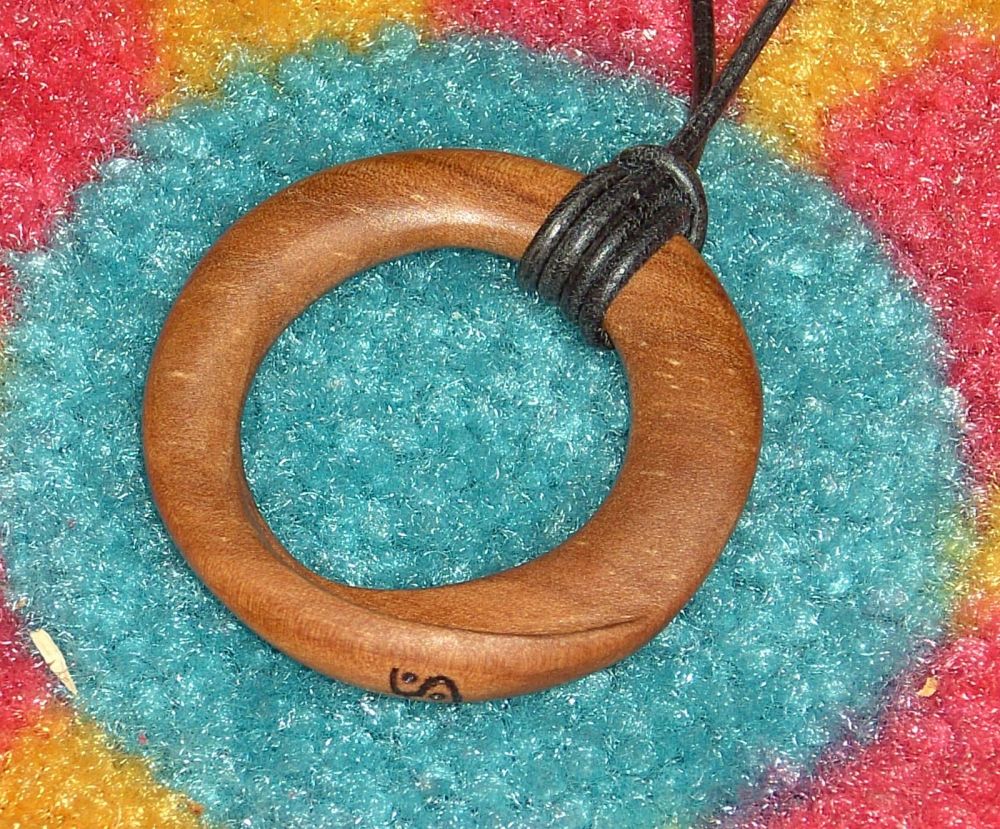
The Porowhita (the closed circle) is said to represent the circle of life. It has no beginning and no end; it is seamless, and we are all a part of it.
Porowhita tells of the stars and planets that are part of the cycle of existence, holding the knowledge of our origins. It is often combined with other elements like the Koru (the spiral), linking love and a new beginning to the eternal cycle of life.
For an artist, the Porowhita represents the relationship and unity between the creator and their craft – the bringing together of head, hand, and heart.
- Details
-
Also available:
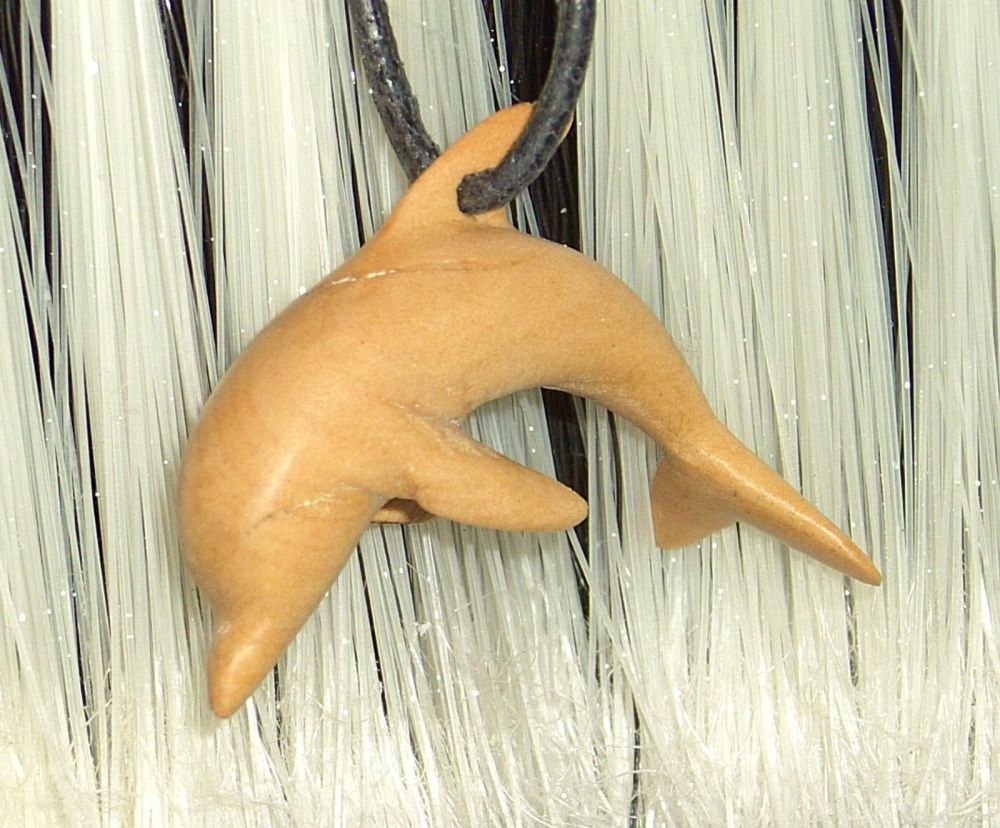
The Dolphin (Pelorus) is a significant Maori symbol. Known as a good omen, the dolphin represents playfulness, harmony, and friendship. It is also a powerful symbol of protection, particularly for travelers.
Dolphins are ancient symbols. They always seem to 'smile,' giving us the impression of being naturally drawn to humans. Moving in groups (schools) and often accompanying boats, they appear friendly and social, and are widely regarded as highly intelligent beings.
We admire their speed, their agility, and the effortless grace with which they move through their element, the water.
- Details
-
Also available:
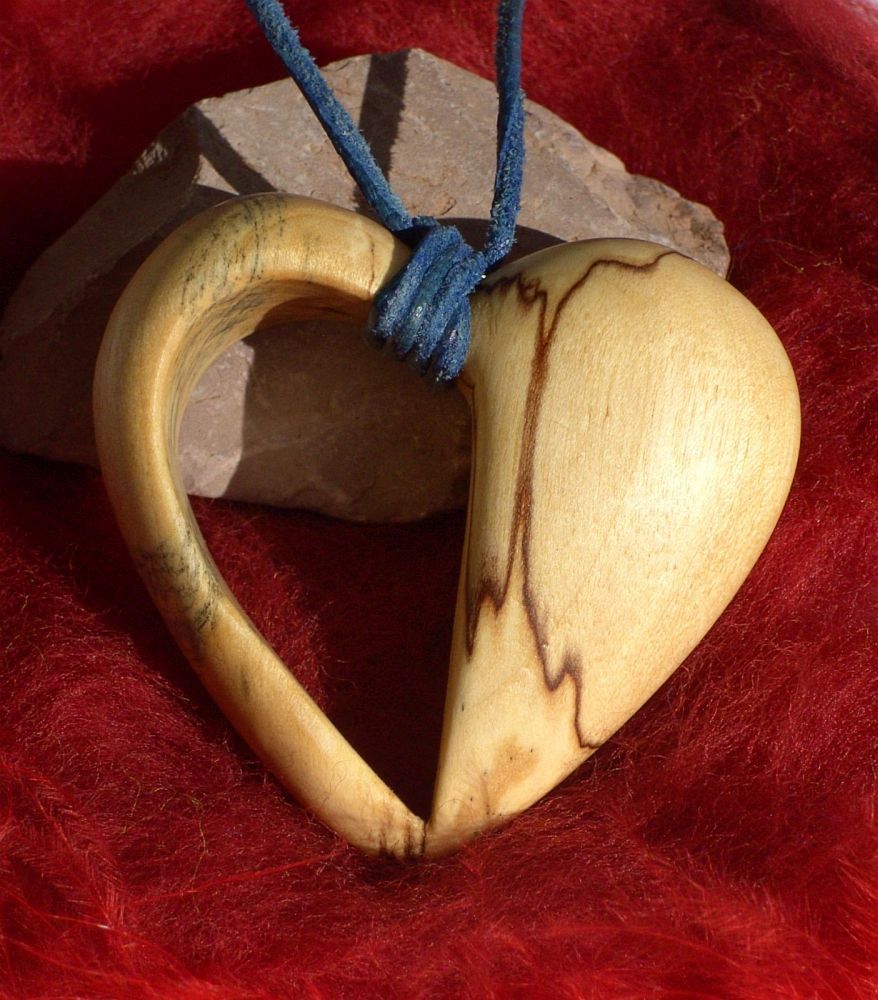
The Heart (Maori: Manawa) is one of the most famous symbols and there is no need for explanations. It is asign for Love, confidence, loyalty and much more.
Regarding the Maori-meaning it stands for emotional balance, love, generosity and compassion and it is also a symbol for friendship.
- Details
-
Also available:
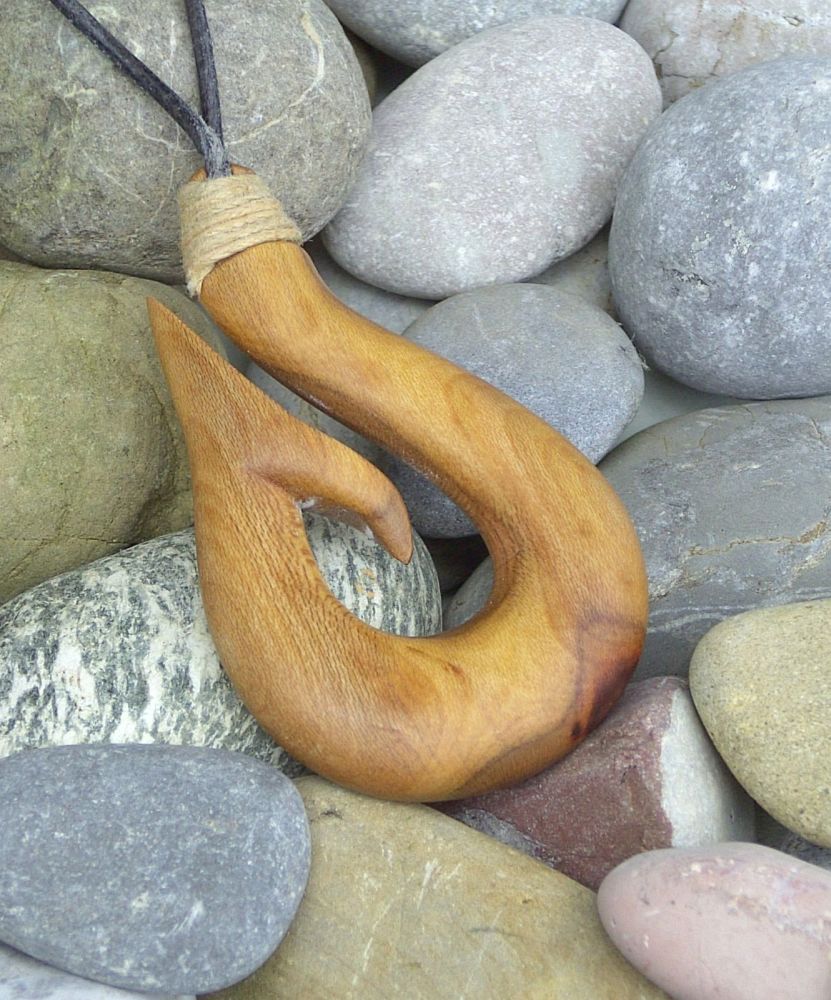
The Hei Matau is a Maori symbol in the form of a highly stylized fishhook. It is arguably the most commonly worn pendant in New Zealand.
The fishhook is a 'catcher of good luck.' This amulet represents authority, prosperity, success, recognition, and leadership. It also stands for strength and determination while bringing peace and good health. It provides protection and luck on the water, which is why it is very well-known and popular among surfers.
According to legend, Maui—the great ancestor of the Maori—fished the North Island of New Zealand out of the ocean using a fishhook. Today, the Hei Matau signifies the promotion of willpower, the strengthening of personal power, and the securing of prosperity. Furthermore, it stands for peace and serves as a symbol for a safe journey across the water.
- Details
-
Also available:
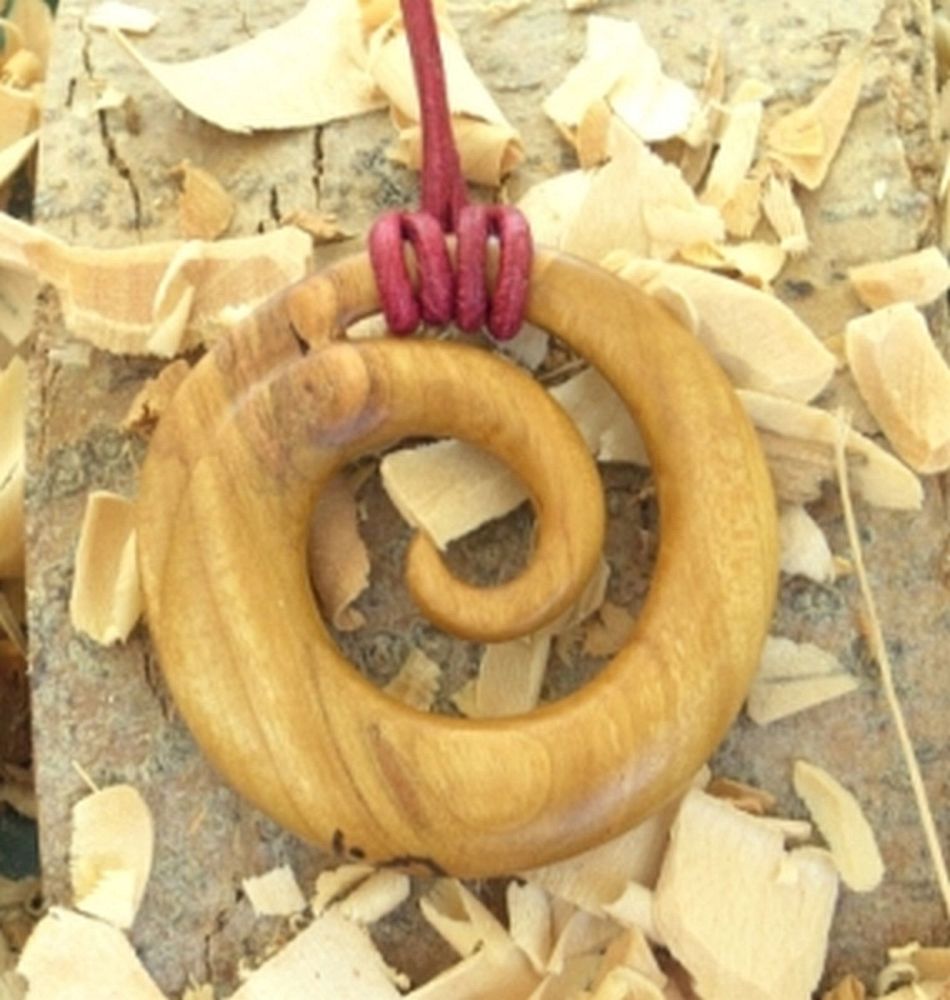
Koru (fern) is a word in the Maori language for "bay" or "loop".
It refers to the sprout of a fern which grows in New Zealand. The spiral of the Koru is an indication for the enrolling leave of the fern. A new leave of the fern has exactly this shape, before enrolling completely.
Because of its form, it stands for new life, Hope, perfection, reincarnation, personal growth, recommencement or the start of a new life.
It is also a symbol for renewal, but also for virginity and hope for the future. Other meanings are peace, harmony and growth.
Last but not least it symbolises a lovingly relation in the family.
The maori use this symbol in many different varities in a lot of designs.
- Details
-
Also available:
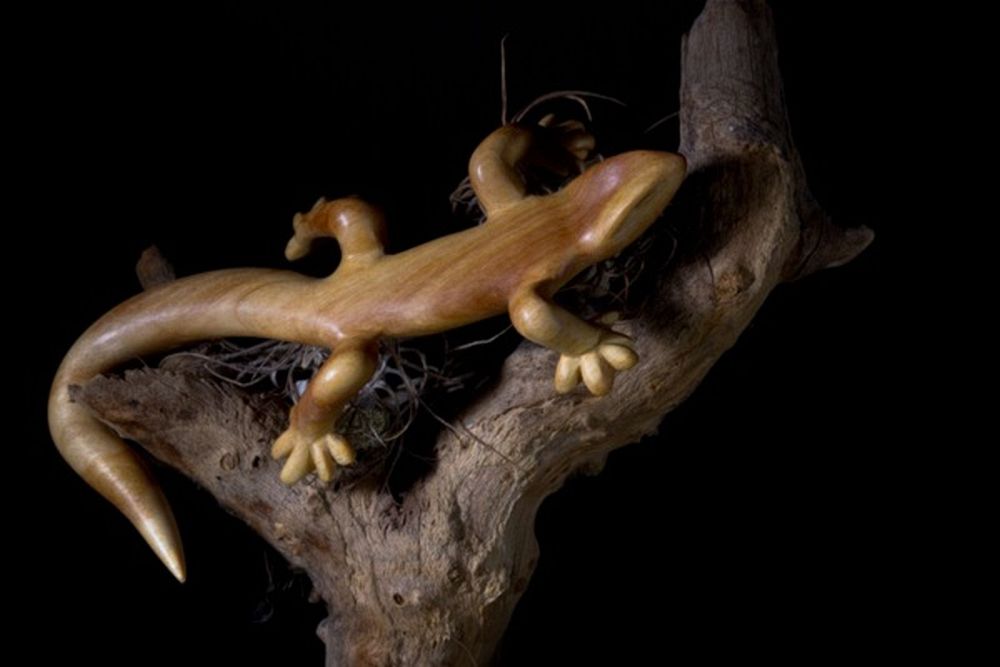
In Maori culture, the lizard (Tuatara) serves as a powerful symbol of self-confidence, independence, and deep-seated trust. It is regarded as a guardian of knowledge and represents a strong, individualistic character.
The Tuatara is more than just a reptile; it is a living fossil from the era of the dinosaurs. Immortalized in wood, it embodies resilience and the ability to remain true to oneself in an ever-changing world. This hand-carved piece brings the calm, watchful energy of this ancient creature into your home.
- Details
-
Also available:
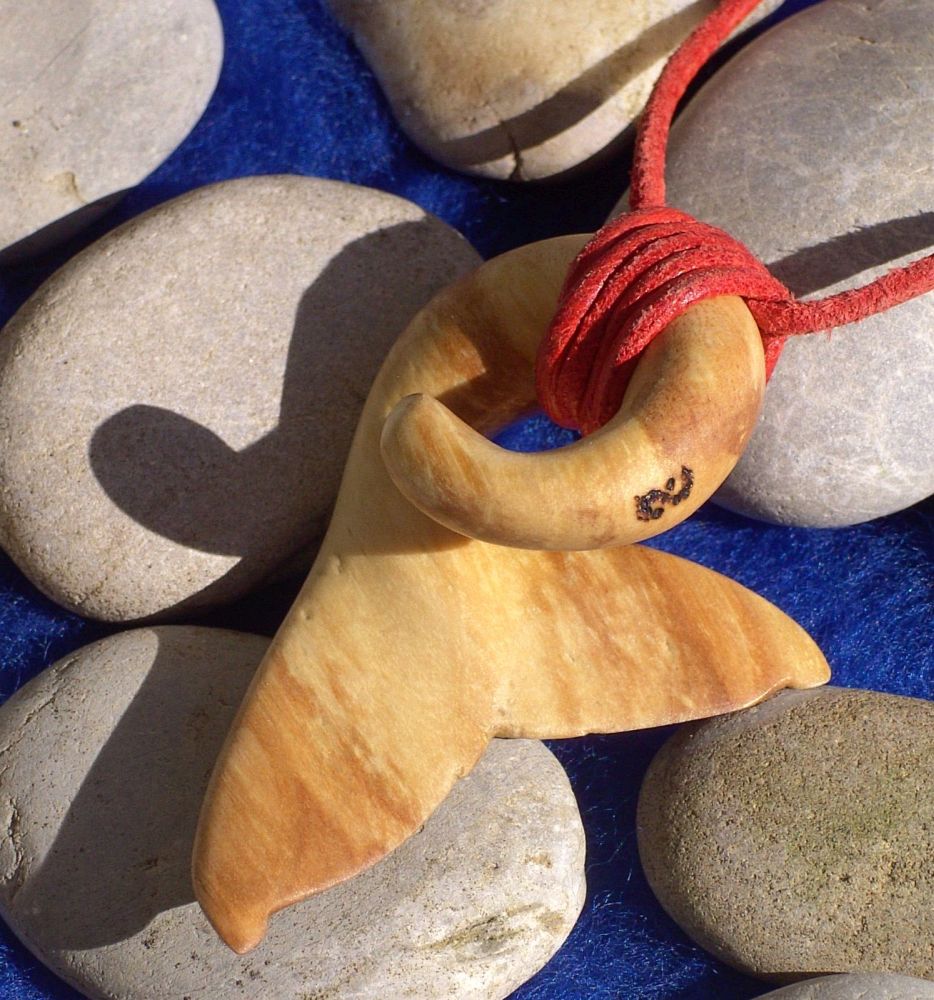
The Muri Paraoa (fluke, Tail of the whale) is a very important symbol of the Maori. According to the legend
the ancestors of the Maori rode on a whale and found so Zealand.
The symbol fluke stands for speed and strength, combined with gentleness. But also for companionship. It is very popular with surfers.
The Maoris consider whales as spiritual guardians that symbolize protection and bring good luck to those who are traveling on the oceans. Whales are the most important animals in the lives of Maori, they represent the strength of the Maori people and their connection to the sea. For the Maori, it is also a symbol of respect for nature.
- Details
-
Also available:
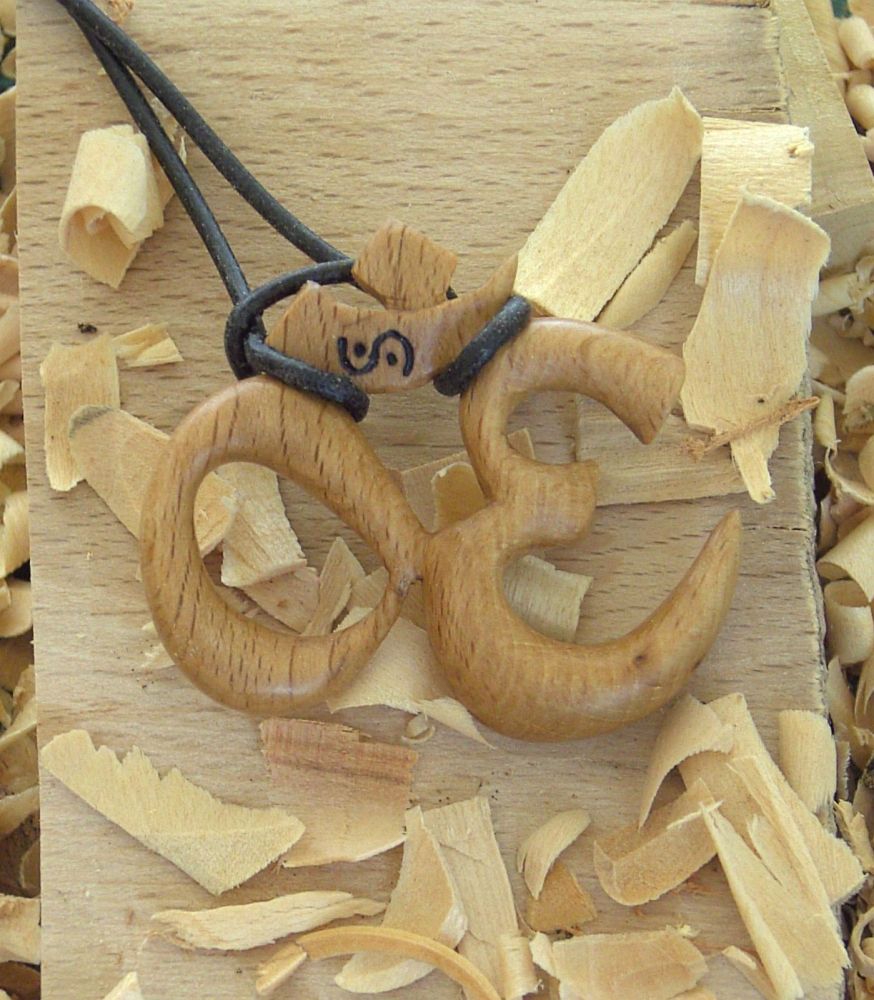
The sylable Om (or Aum) refers to Sanskrit. in various cultures it is holy.The sound of the OM stands ab ancient sound. It is a mantra and helps while meditating.
Om is the all-embracing and the most superior symbol of the Hindus.
Actually Om consists of 3 leters: A U M and the silence, that comes after these letters.
The parts that looks like a 3, is the A. The line that looks a bit like a snake in the right is the U. The little part on the top, that looks like a half-moon is the M. And the dot on the topis named "Bindu" and stands for endlessness, the eternal and the silence.
Although it is composed of three letters, it is traditionally pronounced as 'OM'.
- Details
-
Also available: